
At the 2025 International Conference on Family Planning (ICFP) in Bogotá, Media Health and Rights Initiative of Nigeria (MHR) took active roles in shaping conversations at the intersection of public health, communication, leveraging technology and rights-based advocacy. Across panels, workshops, and storytelling sessions. MHR highlighted a central argument: that empathy-led communication and digital innovation are critical to advancing equitable reproductive health outcomes, particularly in contexts where stigma continues to shape public discourse.
ICFP 2025 provided not only a global stage but a strategic moment. With shrinking civic spaces, increasing misinformation, and persistent social taboos around sexual and reproductive health, our participation underscored the importance of narrative power, whose stories are told, how they are told, and who has access to them.
Reframing Abortion Conversations Through Empathy
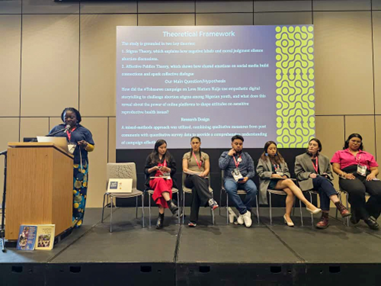
A highlight of our presence at ICFP was the presentation delivered by Executive Director Alu Azege, titled “Challenging Abortion Stigma Through Empathy and Digital Engagement: A Case Study of the #Tobasewo Campaign on Love Matters Naija”. The session examined how stigma operates in digital environments and how affective engagement can disrupt long-standing patterns of silence and judgment.
Drawing from the #Tobasewo campaign on Love Matters Naija, the presentation at ICFP illustrated how shared stories serve as counter-narratives to dominant moralistic frames. Using stigma theory and affective publics theory, the research showed how digital communities can function as spaces of affirmation, where storytelling becomes both a coping mechanism and a political act.
Rather than relying solely on informational messaging, the campaign approached abortion as a lived reality for many Nigerian women; complex, emotional, and embedded within broader social pressures. The data demonstrated that audiences responded more openly and with less hostility when content engaged them at the level of empathy rather than confrontation.
MHR at the ONG RAES “Stories That Wake You Up” Session

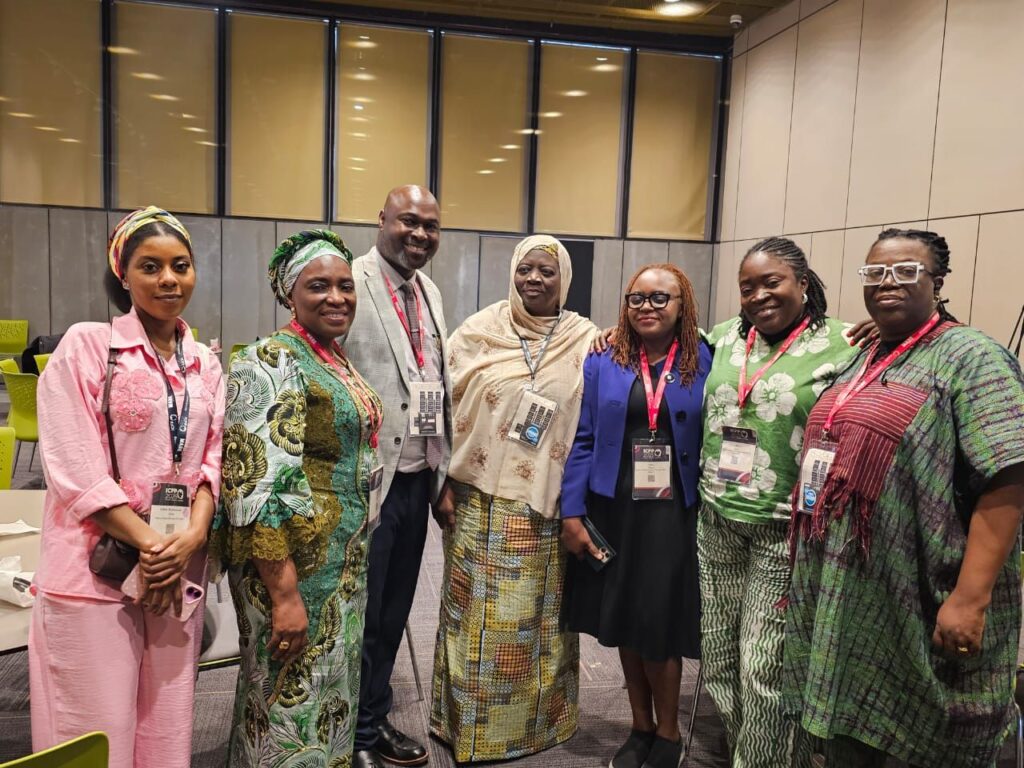
Beyond technical panels, MHR also participated in “Stories That Wake You Up,” an evocative storytelling session hosted by ONG RAES. The gathering brought together creatives, youth advocates, and communication specialists exploring the cultural dimensions of reproductive health, how narratives shape norms, identities, and the possibilities available to young people.
The session underscored a point often lost in formal advocacy spaces: that policy change and behavior change are inseparable from the stories communities tell about themselves. Participants reflected on the power of narrative to surface hidden experiences, challenge ingrained biases, and foster collective imagination around more equitable futures.
For MHR, the event aligned with a core institutional belief that communication is not merely a technical exercise but a social and cultural practice. Whether through digital campaigns, community dialogue, or youth-led content, storytelling remains one of the most potent tools for shifting attitudes in contexts where SRHR issues are heavily stigmatized.
Insights from the AAFP Pre-Conference Session
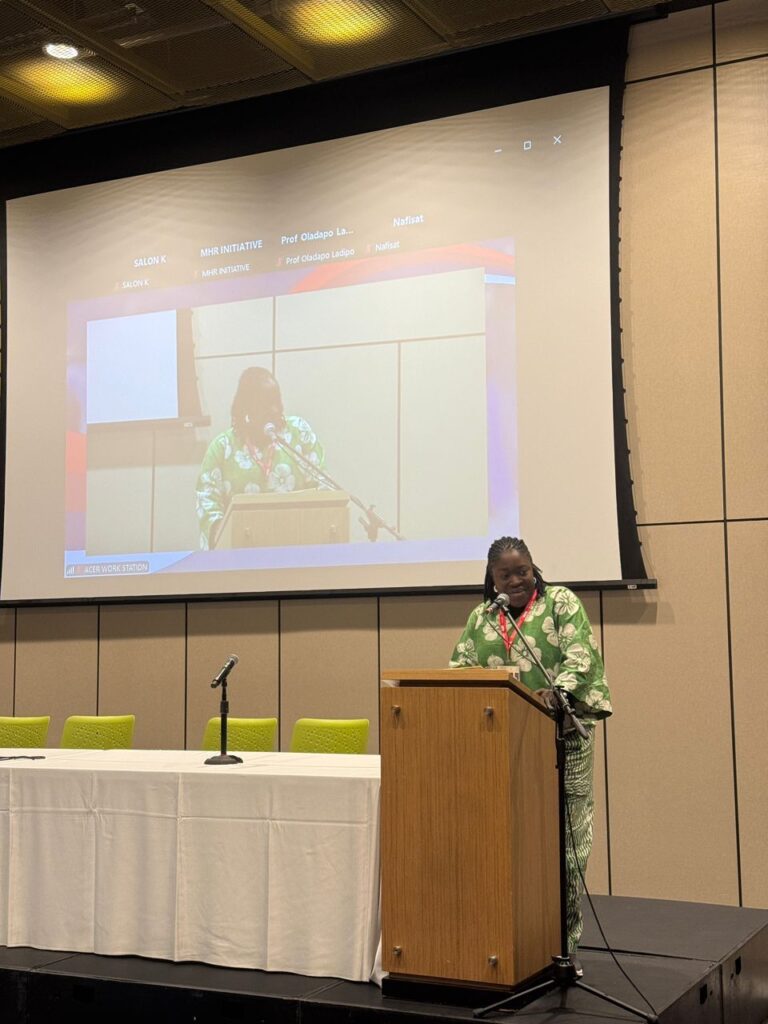
MHR also participated in the Association for the Advancement of Family Planning (AAFP) pre-conference, where the convener, Dr Ejike Oji welcomed Nigerian participants and encouraged the 3Cs being to Co-Create, Collaborate, and Cooperate as part of the keys to success in global family planning. MD/CEO of WCAHealth Options Ltd/Gte and Board Chairman of MHR, Dr. Ufuoma Festus Omo-Obi joined policymakers, donors, and implementing partners to assess Nigeria’s progress toward its family planning commitments. The session, framed around “The Power of Partnership in Advancing Family Planning Commitments” and “How Strategic Can the CSO Space Be?”, emphasized that Nigeria’s FP goals cannot be achieved through policy declarations alone.
Speakers underscored the need for multisectoral collaboration; government agencies, civil society organizations, private sector actors, and community stakeholders all play distinct roles in building an ecosystem where family planning services are accessible, affordable, and rights-based.
Dr. Ufuoma’s contributions reinforced an important message: that technical solutions are only as effective as the trust communities have in the systems delivering them. He stressed that empathy, transparency, and culturally grounded communication remain indispensable in bridging the gap between national commitments and real-world experiences of women and men seeking family planning services.
World Café Session with Advocates for Youth
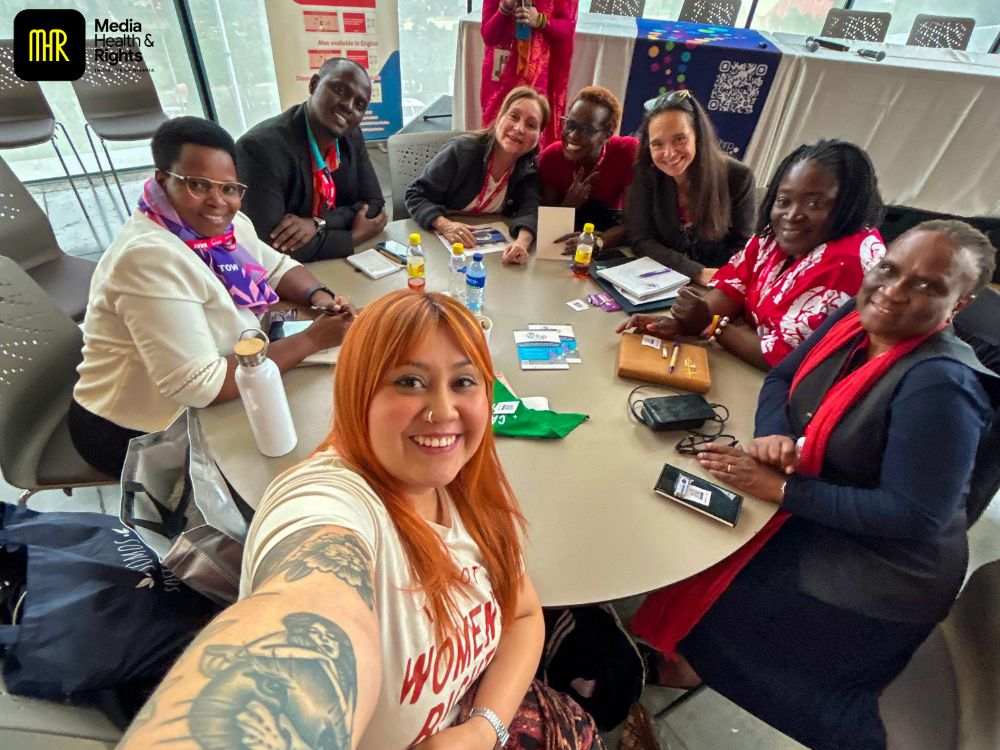
At the WHO/IBP Network-sponsored conference, our Executive Director, Alu Azege co-facilitated an engaging World Café session with Nicole Cheetham of Advocates for Youth, focusing on how digital sexuality education can expand access to Comprehensive Sexuality Education (CSE) for young people globally.
The conversation explored a rapidly evolving digital ecosystem:
- Educational videos that help teachers navigate sensitive topics
- Chatbots offering anonymous, stigma-free SRHR information
- Multilingual and culturally adaptive content
Participants examined practical models for integrating digital resources into school systems, youth programs, community learning, and peer education structures. The discussions emphasized that online tools are powerful equalizers for young people who face barriers due to geography, gender, cultural norms, or restrictive policies.
Conclusion: Advancing SRHR Through Empathy, Innovation, and Collaboration
ICFP 2025 was a powerful reminder that achieving meaningful progress in sexual and reproductive health and rights demands empathy, creativity, and collaboration across sectors. Through different sessions and presentations, MHR demonstrated that thoughtful, community-centered approaches can transform conversations, influence perceptions, and improve access to care.
The conference reinforced our commitment to harnessing storytelling, technology, and partnerships to create inclusive, rights-based solutions, ensuring that every woman, man, and young person can make informed, empowered choices about their health.